
Replace Screens With Nature-Inspired Activities (Inside or Outside) - Gittin Creative Blog Post

Firstly, why are screen so hard for kids to leave?
Before trying to reduce screen time, it helps to understand why children resist giving them up.
Many apps, games, and videos are designed to keep children engaged for as long as possible. Bright colours, rewards, levels, and fast-paced content trigger the brain’s reward system.
This isn’t about children being “naughty” or “addicted.” Their brains simply respond strongly to stimulation.
When screens disappear suddenly, children can feel bored, restless, or frustrated.
That’s why the goal shouldn’t be taking screens away overnight, but instead replacing them with activities that feel just as engaging.

Staying connected whilst inside...
Often when families try to reduce screen time, they feel pressure to constantly send children outdoors.
Outdoor play is wonderful and important, but real family life isn’t always perfect sunshine and open space.
Sometimes it’s raining.
Sometimes children are unwell.
Sometimes parents are working or travelling.
The goal isn’t simply to move children outside — it’s to keep their curiosity and imagination connected to the natural world, wherever they are.
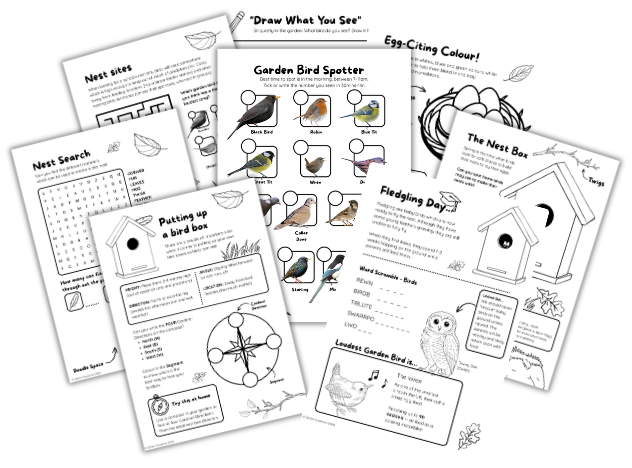
Nature-inspired activities can work just as well indoors.
For example, children might enjoy:
• wildlife-themed puzzles
• garden or nature colouring pages
• nature observation journals
• drawing imaginary creatures that live in the garden
• writing stories about animals or magical garden characters
• designing a fairy garden on paper before building one outside
• tracking birds or insects they’ve seen recently
These types of activities still help children think about nature, animals, and the outdoors, even when they’re sitting at the kitchen table or curled up on the sofa.
For many children, these quiet activities become the starting point for outdoor curiosity.
A child who draws a butterfly or completes a pollinator puzzle might later start noticing real butterflies in the garden.
A child who writes a story about frogs may begin looking for them in ponds or streams.
In this way, imagination becomes the bridge between indoor time and outdoor exploration.
And for parents, these kinds of activities provide a calm alternative to screens during moments when outdoor play simply isn’t possible.
So let's here are 7 steps to transitioning to less screen-time...

Start With Awareness (Not Rules)
Many families try to fix screen time by setting strict limits immediately.
But often this creates resistance. Instead, begin with awareness.
Spend a few days simply noticing:
when screens are used
what situations trigger screen time
how children behave after using screens
when children naturally prefer other activities
You may notice patterns.
Screens might appear most often:
after school when children feel tired
during quiet moments at home
when parents need time to cook or work
before bedtime
Once you understand these patterns, you can start replacing screen habits with other routines.

Replace Screens With Something Better
The biggest mistake families make when reducing screen time is removing screens without offering alternatives. Children need something engaging to fill the gap.
Indoor and Outdoor play naturally stimulates curiosity, imagination, and movement. Even simple activities can capture a child’s attention far longer than expected.
Some simple alternatives include:
Searching for insects in the garden
Planting seeds together
Building a fairy garden
Draw a fairy house
Draw a treasure map for the garden
Watching birds or butterflies (Outside or from the window)
Activity Books - Puzzles and Prompted activities stimulate the mind,
Chalk drawing on the patio
These activities activate a child’s curiosity and creativity, making screens far less appealing.

Step 3: Create “Screen-Free Windows”
Instead of banning screens completely, try introducing screen-free times of day.
For example:
Mornings before school
The hour after school
During family meals
The hour before bedtime
Children often accept screen limits more easily when they understand the routine.
For example:
“After dinner is our family time.”
“Screens go away after 7pm so our brains can rest.”
Clear rhythms help children feel secure and reduce arguments.

Make Outdoor Time a Daily Habit
Children naturally spend less time on screens when outdoor play becomes part of the daily rhythm. You don’t need a huge garden or long countryside walks. Even simple outdoor routines can make a big difference.
Some ideas include:
Checking on garden plants each morning
Going on a short “nature walk” after school
Watering plants together in the evening
Watching wildlife in the garden
Building small nature projects
These routines slowly shift a child’s focus away from screens.
Many children begin to look forward to these moments.

Let Children Feel Involved
Children respond much better to changes when they feel included in the process.
Instead of announcing strict rules, try asking questions such as:
“What fun things could we do outside after school?”
“What animals might live in our garden?”
“Should we plant strawberries or carrots this year?”
Let's do some colouring together!
Can you think of a great story about a brave little mouse?
When children feel ownership over activities, they’re more likely to choose them over screens.

Change Your Own Screen Habits
Children learn more from what we do than what we say.
If parents are often checking phones or scrolling during family time, children naturally see screens as the most important activity.
Reducing adult screen habits, even slightly, can change the atmosphere of the home.
Try small shifts like:
leaving phones in another room during meals
turning off notifications in the evening
spending a few minutes outside with children each day
Children quickly notice these changes and often follow the example.

Focus on Connection, Not Control
The real goal of reducing screen time isn’t control.
It’s connection.
When families spend more time outdoors, gardening together, exploring nature, or playing imaginative games, something special happens.
Children become calmer. Conversations happen naturally. Creativity returns.
Screens stop being the centre of attention.
Instead of arguing about limits, the family simply has more interesting things to do together.
A Gentle Way to Reset Screen Habits
For many families, it helps to have a clear structure when changing habits. A step-by-step approach can make the transition easier and reduce the feeling of overwhelm.
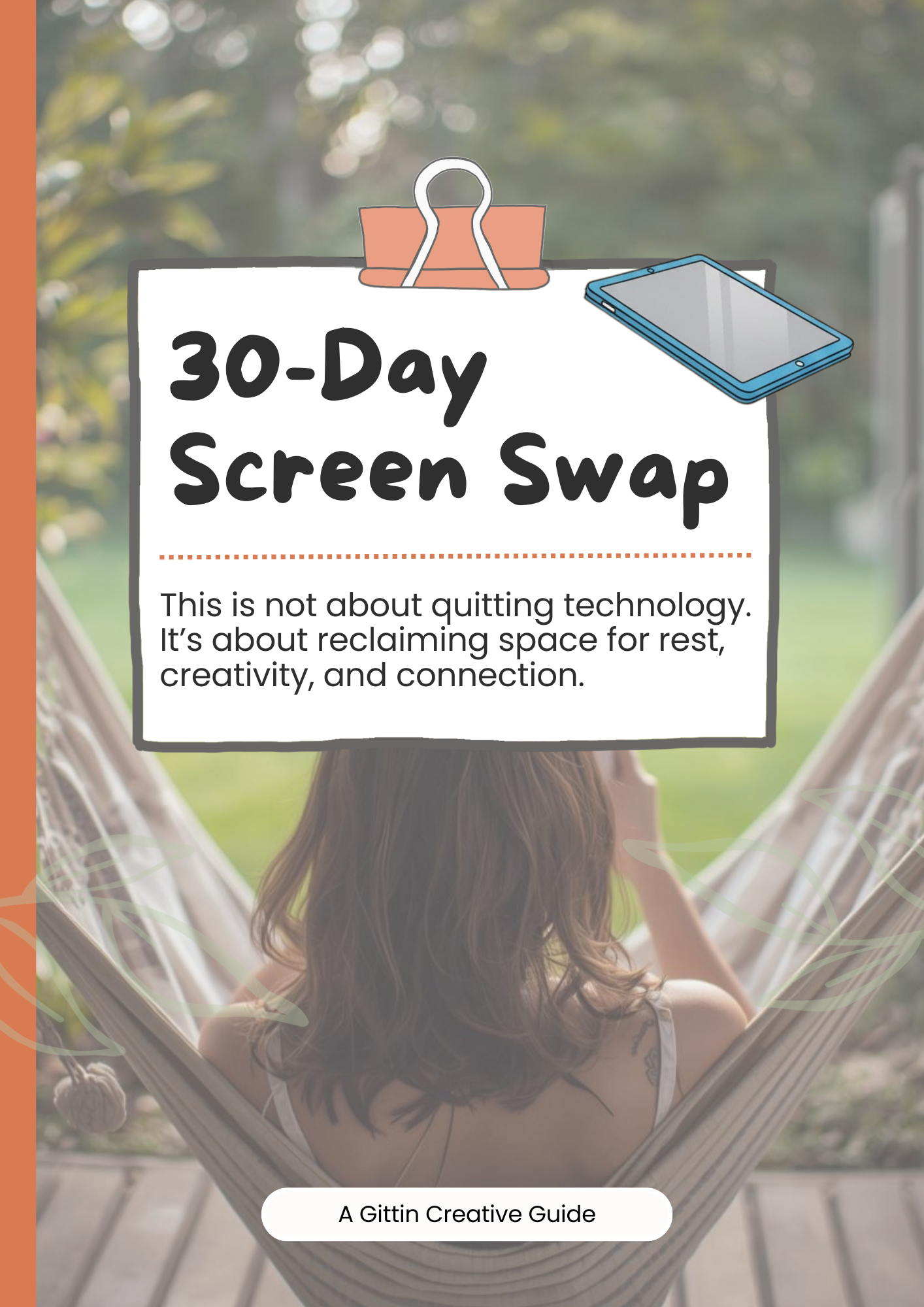
That’s why I created the 30-Day Screen Swap Challenge.
This guided challenge helps parents gradually:
become aware of screen habits
create healthier boundaries
build simple daily routines
introduce nature-based activities
reconnect with family time
It includes reflection prompts, a guided journal, and simple exercises to help families reclaim time from screens.
Rather than removing technology completely, the challenge focuses on building habits that make screens less central to daily life.
YES, TELL ME MORE ABOUT THE SCREEN SWAP CHALLENGE!
The Real Goal: A Balanced Childhood
Screens are not the enemy. Technology can be useful, educational, and entertaining when used thoughtfully.
But children also need time to:
explore the natural world
use their imagination
move their bodies
build real-life skills
spend meaningful time with family
By slowly shifting family routines toward nature, creativity, and connection, screen time naturally finds its place as just one small part of childhood rather than the centre of it.
And the best part?
These small changes often lead to something parents didn’t expect.
Children begin creating their own adventures again.
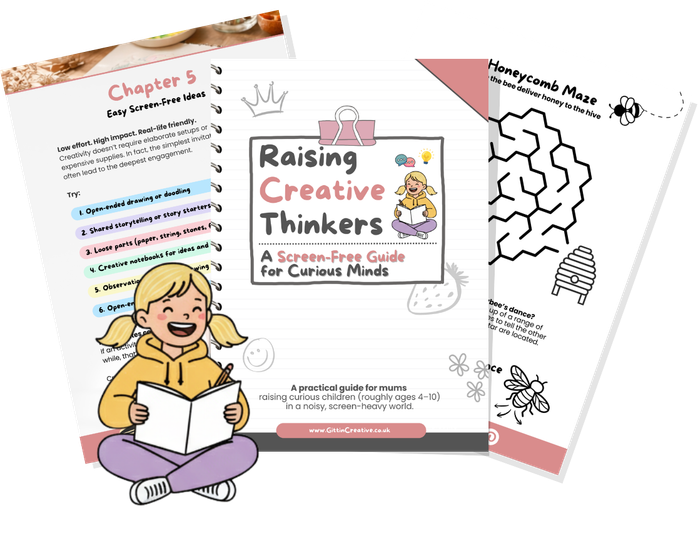
Download the Free Nature Explorer Starter Pack
“Helping kids stay connected to nature through imagination, puzzles, and creative activities — whether they’re inside or outside.” - Gittin Creative