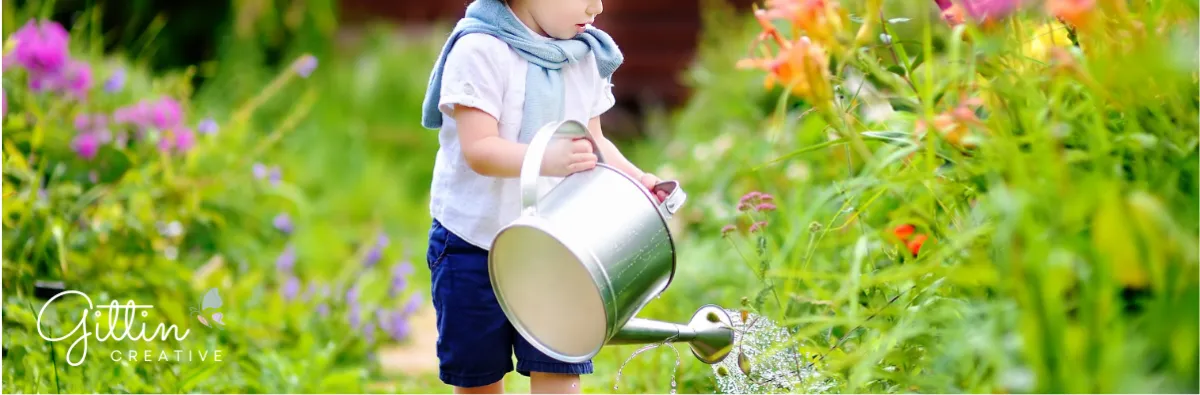
How to Start Gardening With Kids (Beginner Guide for Families)

Gardening with children can be one of the most rewarding activities a family can share together.
It’s simple, inexpensive, and full of small discoveries that spark curiosity and creativity. Watching a seed grow into a plant, spotting insects in the soil, or picking the first ripe strawberry are experiences that children remember for years.
Yet many parents hesitate to begin gardening with their children because they feel they don’t know enough themselves. The truth is, you don’t need to be an expert gardener to start. In fact, learning alongside your children can be one of the most enjoyable parts of the process.
Gardening together becomes less about perfection and more about exploration, patience, and connection with the natural world. If you’ve been wondering how to start gardening with kids, this simple guide will help you begin.
Why Gardening Is Wonderful for Children
Gardening offers children something that modern life often lacks: slow, hands-on learning. Unlike screens or structured activities, gardening encourages observation and curiosity.
Children begin asking questions such as:
Why do plants need sunlight?
What insects live in the soil?
Why do some plants grow faster than others?
Through these questions, children naturally develop an understanding of the environment.
Gardening also encourages:
Responsibility
When children water plants or care for seedlings, they begin to understand that living things depend on them.Patience
Seeds take time to grow. Gardening teaches children that good things often happen slowly.Healthy habits
Children who help grow vegetables are often more interested in tasting them.Connection with nature
Spending time outdoors helps children notice the small details of the natural world.
For families hoping to balance screen time with real-world activities, gardening can become a wonderful daily habit.
The Best Age to Start Gardening With Kids
The simple answer is: any age. Even toddlers enjoy digging in soil, watering plants, and exploring garden spaces.
Young children might enjoy:
digging holes
watering plants
collecting leaves or flowers
Older children can begin to:
plant seeds
track plant growth
learn plant names
help harvest vegetables
Gardening naturally grows with the child. A toddler might enjoy sensory exploration, while older children become curious about how plants grow and what insects live in the garden.
Easy Plants Kids Can Grow
When starting gardening with kids, it’s important to choose plants that grow quickly and easily.
Fast-growing plants help children stay engaged and excited.
Some beginner-friendly plants include:
Sunflowers
Sunflowers grow tall and dramatic, making them exciting for children to watch.Radishes
Radishes grow quickly and can be ready in just a few weeks.Strawberries
Children love picking strawberries directly from the plant.Lettuce
Lettuce grows quickly and can be harvested several times.Herbs
Mint, basil, and chives are easy to grow and smell wonderful.
When children see results quickly, their interest in gardening naturally grows.
Simple Garden Activities for Kids
Gardening becomes even more exciting when it includes small activities.
These activities help children pay attention to the changes happening in the garden.
Some simple ideas include:
Plant observation
Ask children to notice what changes each day.
Has the plant grown taller?
Are new leaves appearing?
Wildlife spotting
Gardens attract many creatures.
Children might see:
bees
butterflies
worms
birds
Encouraging children to watch and identify these creatures can turn the garden into a nature discovery space.
Drawing plants: Children can draw what they see growing in the garden. This helps them observe details such as leaf shapes and flower colours.
Learning to Garden Together
One of the most beautiful parts of gardening with children is that parents don’t need to have all the answers.
Many families learn together. You might search for plant information, experiment with different seeds, or observe what happens in different weather conditions.
This shared learning experience shows children that curiosity and exploration never stop. It also removes pressure from parents who feel they must be experts before starting.
Gardening becomes an adventure rather than a lesson.
What If You Don’t Have a Garden?
Many families believe gardening requires a large outdoor space. In reality, plants can grow in many environments.
Families living in flats or homes without gardens can try:
Container gardening: Pots or containers on balconies or windowsills can grow herbs, flowers, and small vegetables.
Indoor plants: Children can care for indoor plants and watch how they grow.
Community gardens: Many communities have shared garden spaces where families can grow plants together.
Even a small pot with herbs can spark a child’s interest in plants and nature.
Gardening and Screen-Free Family Time
Many parents are looking for ways to reduce screen time without constant battles. Gardening naturally replaces digital entertainment with something more engaging. Instead of passive screen time, children become active participants in caring for plants and exploring nature.
Even short daily moments in the garden can make a difference.
Watering plants in the evening, checking on seedlings, or spotting wildlife together creates meaningful routines that screens simply can’t provide.
Turning Gardening Into a Creative Activity
Gardening doesn’t need to stop at planting seeds.
Children can also explore their creativity through garden-inspired activities.
Examples include:
drawing flowers or insects they see
designing imaginary fairy gardens
writing stories about garden animals
creating nature journals
These indoor activities help children stay connected to nature even on rainy days or quiet afternoons.
A Fun Way for Kids to Explore the Garden
One way to keep children engaged in gardening is through activity sheets or nature journals. Children can track what they plant, draw what they see growing, and record wildlife they notice in the garden. This turns gardening into an ongoing adventure rather than a one-time activity.
A printable Garden Explorer Activity Pack can help guide children through these discoveries with prompts, puzzles, and observation pages.
Growing More Than Plants
Gardening with children isn’t just about growing vegetables or flowers. It’s about growing curiosity, patience, creativity, and a deeper connection with the natural world. Children who spend time gardening begin to see the environment differently. They notice birds in the trees, insects in the soil, and the changing seasons around them.
And often, those small discoveries become the moments they remember most. Sometimes the most powerful learning doesn’t come from screens or structured lessons. Sometimes it begins with a small seed, a patch of soil, and a child asking,
“What will grow here?”
A Fun Way for Kids to Explore Spring Birds
If your child enjoys spotting birds and learning about wildlife, you might enjoy the Birds of Spring Activity Pack.
This printable pack includes puzzles, drawing activities, and observation sheets designed to help children recognise and learn about common spring birds.
It’s perfect for quiet indoor time, rainy afternoons, or outdoor nature exploration.

A Gentle Way to Encourage Screen-Free Play
Nature activities like birdwatching are a wonderful way to reduce screen time while encouraging curiosity and creativity.
If you’re looking for a simple way to build healthier family habits around screens, you might also enjoy the 30-Day Screen Swap Challenge., which helps parents gradually replace screen habits with meaningful activities.
YES, TELL ME MORE ABOUT THE SCREEN SWAP CHALLENGE!
“Helping kids stay connected to nature through imagination, puzzles, and creative activities — whether they’re inside or outside.” - Gittin Creative